

Visiting Madinah: the Rawdah and ziyarat
What to do in the city of the Prophet ﷺ: how to enter his mosque and greet him, how the Rawdah permit works, and the places pilgrims visit, with what is sunnah at each.
Last updated: October 8, 2026
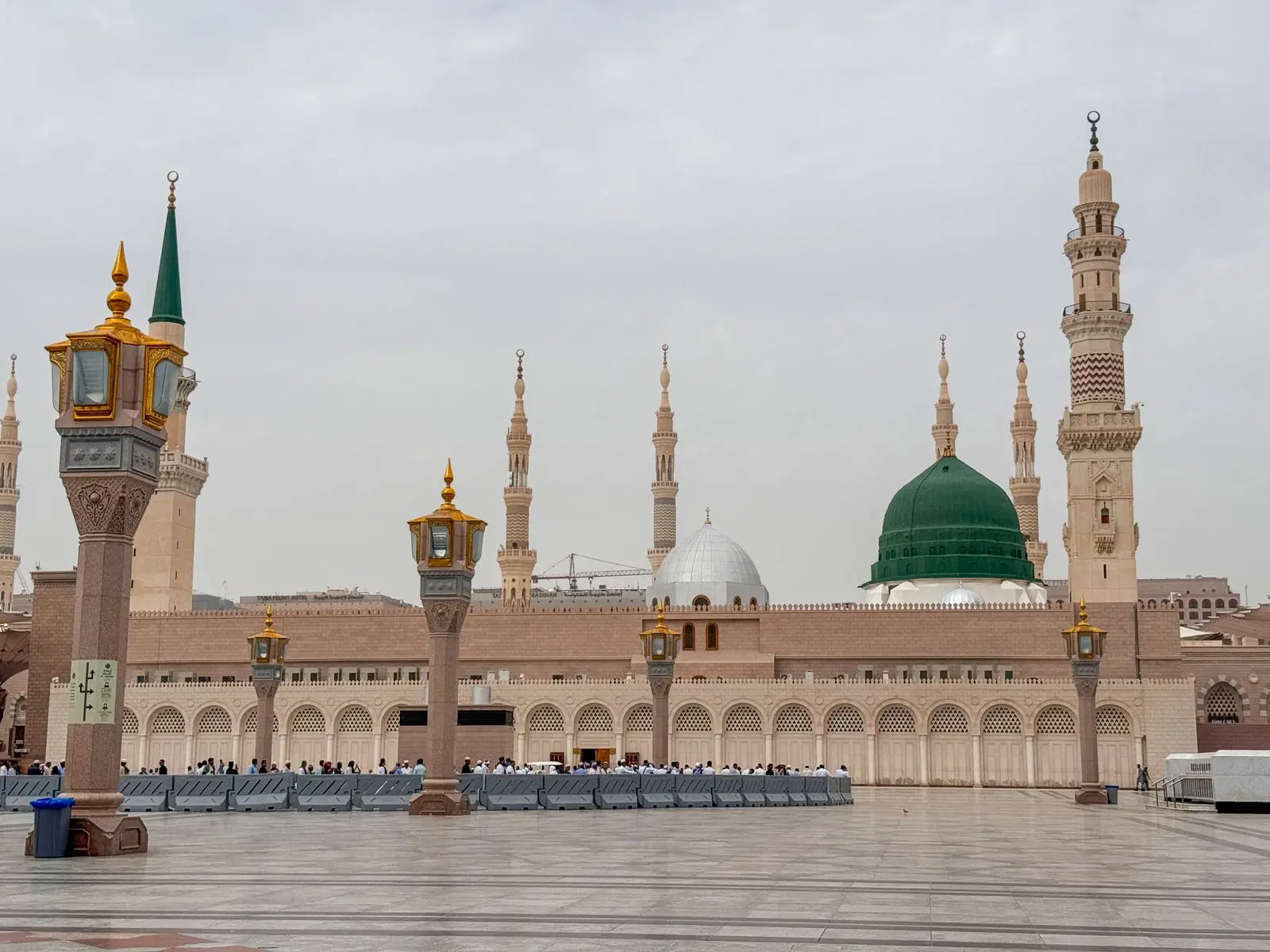
At a glance
- Is it part of Umrah or Hajj?
- No. Both are complete without it. Visiting the Prophet's Mosque is a separate, recommended journey.
- The reward
- A prayer in the Prophet's Mosque is better than a thousand prayers elsewhere, except al-Masjid al-Haram. (Bukhari and Muslim)
- The Rawdah
- Entry is by permit, booked in the Nusuk app. Places are limited, so book as early as you can.
- Ziyarat
- Quba, Baqi‘ and the martyrs of Uhud are visited following the Sunnah. Other sites are visited for their history.
Arriving at the Prophet's Mosque
Make your intention to travel to Madinah in order to pray in the Prophet's Mosque. Arrive in a state of purity, calm and unhurried, and send blessings on the Prophet ﷺ often on the way.
Enter with your right foot and say the dua for entering any mosque. Pray two rak‘ahs to greet the mosque, wherever you find space. Any place in the mosque carries the reward; you do not need to be at the front.
Pray the five daily prayers in the mosque as often as you can during your stay. There is no fixed number of prayers or days you must complete.
اللَّهُمَّ افْتَحْ لِي أَبْوَابَ رَحْمَتِكَ
Allahumma-ftah li abwaba rahmatik
O Allah, open for me the gates of Your mercy.
Greeting the Prophet ﷺ and his two Companions
After you have prayed, walk to the front of the mosque to the place where the Prophet ﷺ is buried, with his two Companions Abu Bakr and ‘Umar, may Allah be pleased with them, beside him. Follow the direction of the queue; the staff keep it moving.
Stand facing the grave with respect and a lowered voice, and greet him with the words below. Then take a step to your right and greet Abu Bakr, and another step and greet ‘Umar.
Then move on so that others may come forward. If you wish to make dua, step away, face the qiblah, and ask Allah alone.
- Keep your voice low. Allah commands lowering the voice in the presence of His Messenger. (Qur’an 49:2-3)
- Do not touch, kiss or wipe the walls or the grilles, and do not walk around the chamber.
- Do not ask the Prophet ﷺ to fulfil your needs. Dua is made to Allah alone.
- Do not push. Harming another Muslim to get closer cancels the good you came for.
السَّلَامُ عَلَيْكَ أَيُّهَا النَّبِيُّ وَرَحْمَةُ اللهِ وَبَرَكَاتُهُ
As-salamu ‘alayka ayyuhan-nabiyyu wa rahmatullahi wa barakatuh
Peace be upon you, O Prophet, and the mercy of Allah and His blessings.
السَّلَامُ عَلَيْكَ يَا أَبَا بَكْرٍ
As-salamu ‘alayka ya Aba Bakr
Peace be upon you, O Abu Bakr.
السَّلَامُ عَلَيْكَ يَا عُمَرُ
As-salamu ‘alayka ya ‘Umar
Peace be upon you, O ‘Umar.
Women greet the Prophet ﷺ from the women's section at the times set for them. Follow the mosque staff and your guide.
The Rawdah
The Rawdah is the area between the Prophet's house, where he is buried, and his pulpit. He ﷺ said: “What is between my house and my pulpit is a garden from the gardens of Paradise.” (Bukhari and Muslim)
Because the area is small and millions wish to pray there, entry is by permit only. The permit is free and is booked in the Nusuk app, for a set date and time. Men and women have separate times.
Inside, pray two rak‘ahs and make dua for yourself, your family and the Muslims. Your time is short, so do not spend it filming. When the staff ask you to move on, leave calmly so that the next group may enter.
How to book
- Install the Nusuk app and sign in with the passport and visa details you travelled on.
- Choose the permit for praying in the Rawdah, then pick a date and time during your days in Madinah.
- Book as soon as your dates are known. Slots open in advance and fill quickly, most of all in Ramadan and the Hajj season.
- On the day, arrive early at the gate shown on your permit, with your phone charged and the permit open.
If you cannot get a permit, your visit is not lacking. The reward of a thousand prayers is for the whole mosque, and you may greet the Prophet ﷺ without entering the Rawdah.
Permit rules, opening times and how often one person may book are set by the Saudi authorities and change during the year. Check the Nusuk app for what applies on your dates, and ask your Hoggaan guide to help you book.
Ziyarat: the places to visit
These are usually visited together by bus in half a day. Distances are approximate, measured from the Prophet's Mosque.
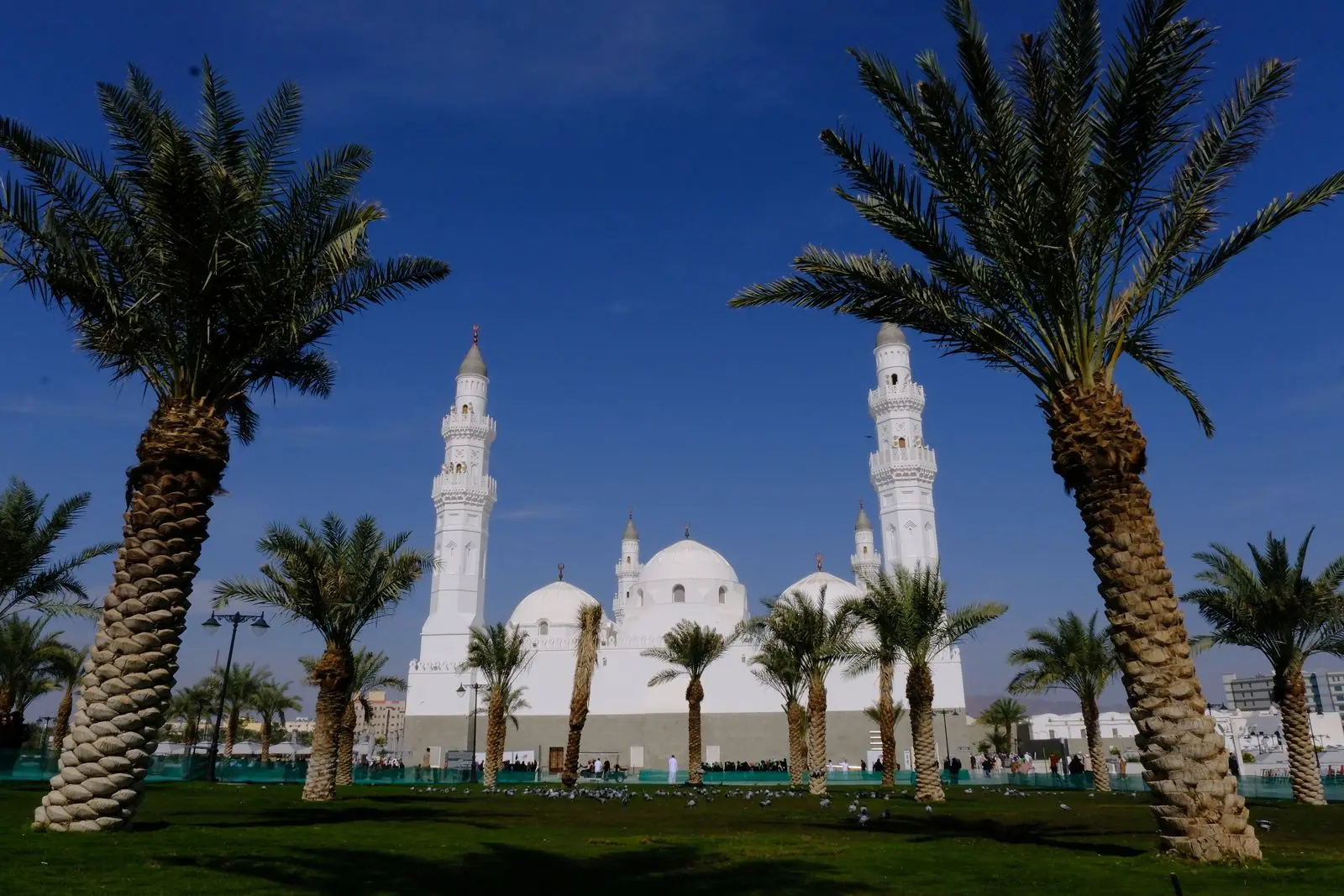
Quba Mosque
مسجد قباءThe first mosque built in Islam. The Prophet ﷺ laid its foundation when he arrived from Makkah, before entering Madinah itself. He used to visit it every Saturday, walking or riding, and pray two rak‘ahs there. (Bukhari and Muslim)
He ﷺ said: “Whoever purifies himself in his house, then comes to the Mosque of Quba and prays in it, has a reward like that of an Umrah.” (Ibn Majah and An-Nasa’i)
What to do there
Make wudu at your hotel before you set out, then pray two rak‘ahs in the mosque.
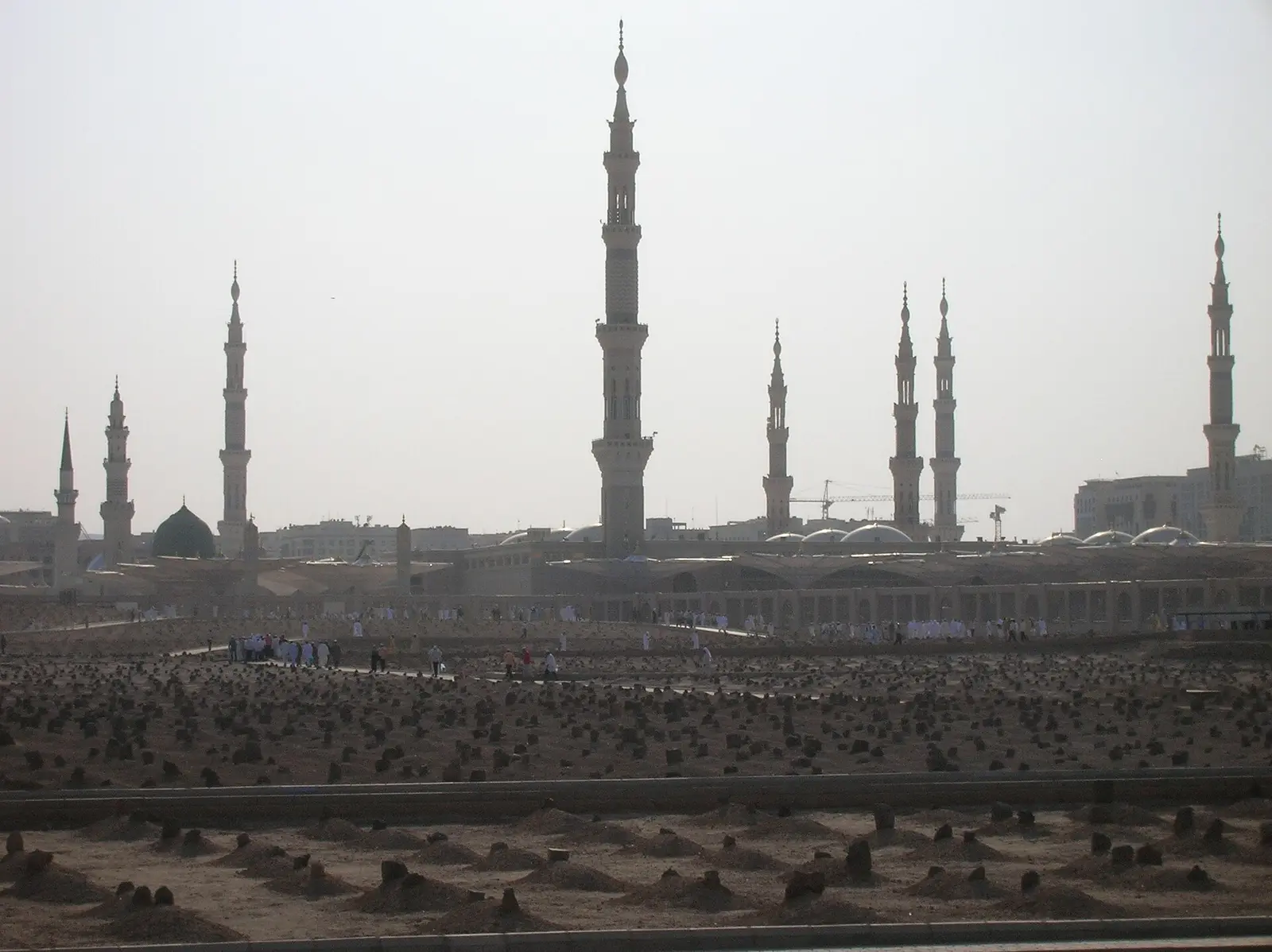
Al-Baqi‘ cemetery
بقيع الغرقدThe cemetery of Madinah, next to the Prophet's Mosque. Thousands of the Companions are buried here, among them members of the Prophet's family, his wives, and ‘Uthman ibn ‘Affan, may Allah be pleased with them all. The Prophet ﷺ used to visit it and pray for its people.
What to do there
Greet the people of the graves with the words below and pray for them. Do not sit on, step over or touch the graves, and do not take soil or stones.
السَّلَامُ عَلَيْكُمْ أَهْلَ الدِّيَارِ مِنَ الْمُؤْمِنِينَ وَالْمُسْلِمِينَ، وَإِنَّا إِنْ شَاءَ اللهُ بِكُمْ لَاحِقُونَ، نَسْأَلُ اللهَ لَنَا وَلَكُمُ الْعَافِيَةَ
As-salamu ‘alaykum ahlad-diyari minal-mu’minina wal-muslimin, wa inna in sha’ Allahu bikum lahiqun, nas’alullaha lana wa lakumul-‘afiyah
Peace be upon you, people of these dwellings, believers and Muslims. We will, if Allah wills, join you. We ask Allah for well-being for us and for you. (Muslim)
At the time of writing, the cemetery is opened to men at set times, usually after Fajr and after ‘Asr, and women greet from outside its walls. The schools differ on women visiting graves; follow your guide.
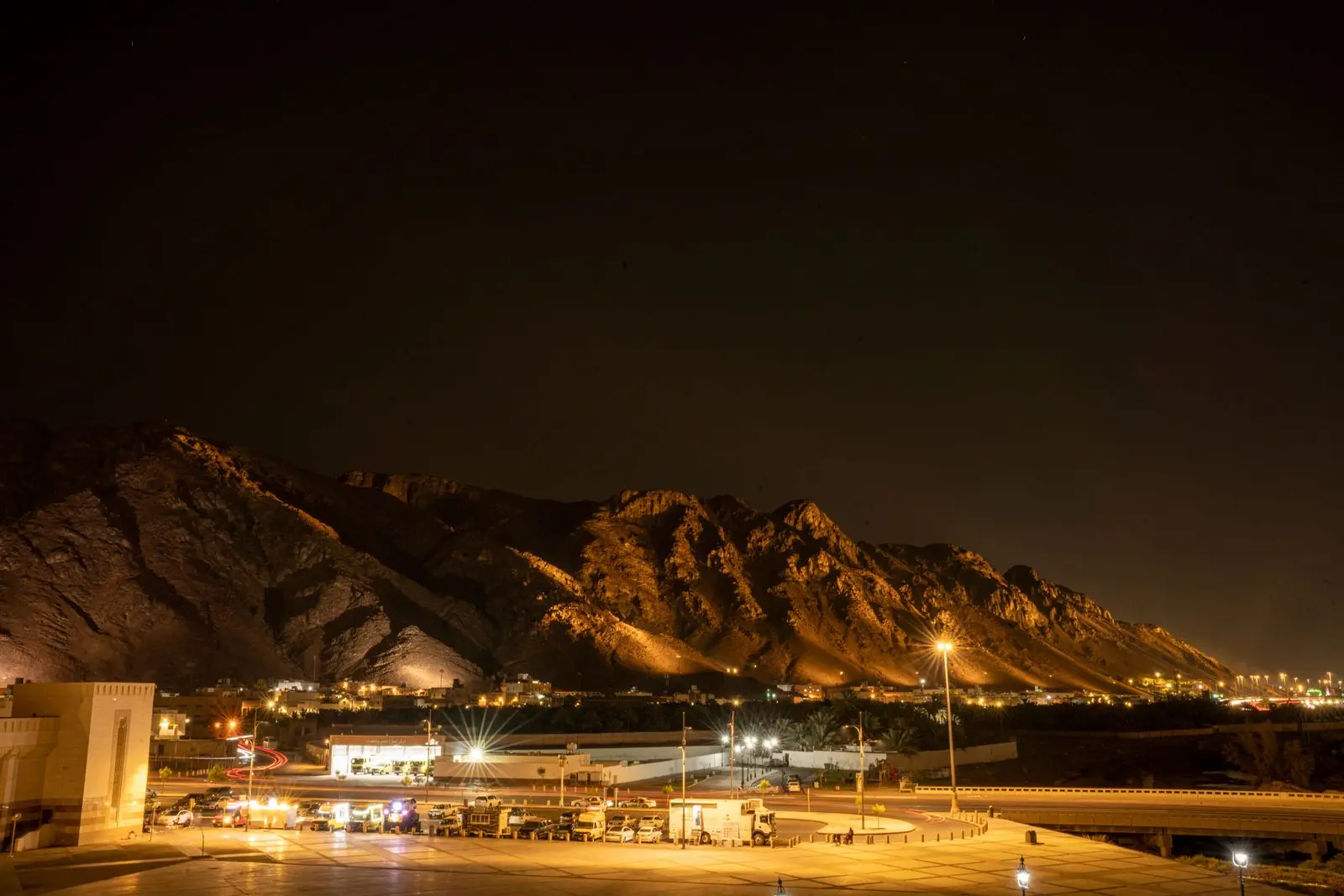
Mount Uhud and its martyrs
شهداء أحدThe site of the Battle of Uhud in the third year after the Hijrah. Seventy Companions were martyred here, among them Hamzah ibn ‘Abd al-Muttalib, the Prophet's uncle, and they are buried at the foot of the mountain. The Prophet ﷺ used to visit them and pray for them.
Of the mountain itself he ﷺ said: “Uhud is a mountain that loves us and we love it.” (Bukhari and Muslim)
What to do there
Greet the martyrs with the words below and pray for them. You do not need to climb the Archers' Hill; there is no reward attached to it.
السَّلَامُ عَلَيْكُمْ أَهْلَ الدِّيَارِ مِنَ الْمُؤْمِنِينَ وَالْمُسْلِمِينَ، وَإِنَّا إِنْ شَاءَ اللهُ بِكُمْ لَاحِقُونَ، نَسْأَلُ اللهَ لَنَا وَلَكُمُ الْعَافِيَةَ
As-salamu ‘alaykum ahlad-diyari minal-mu’minina wal-muslimin, wa inna in sha’ Allahu bikum lahiqun, nas’alullaha lana wa lakumul-‘afiyah
Peace be upon you, people of these dwellings, believers and Muslims. We will, if Allah wills, join you. We ask Allah for well-being for us and for you. (Muslim)
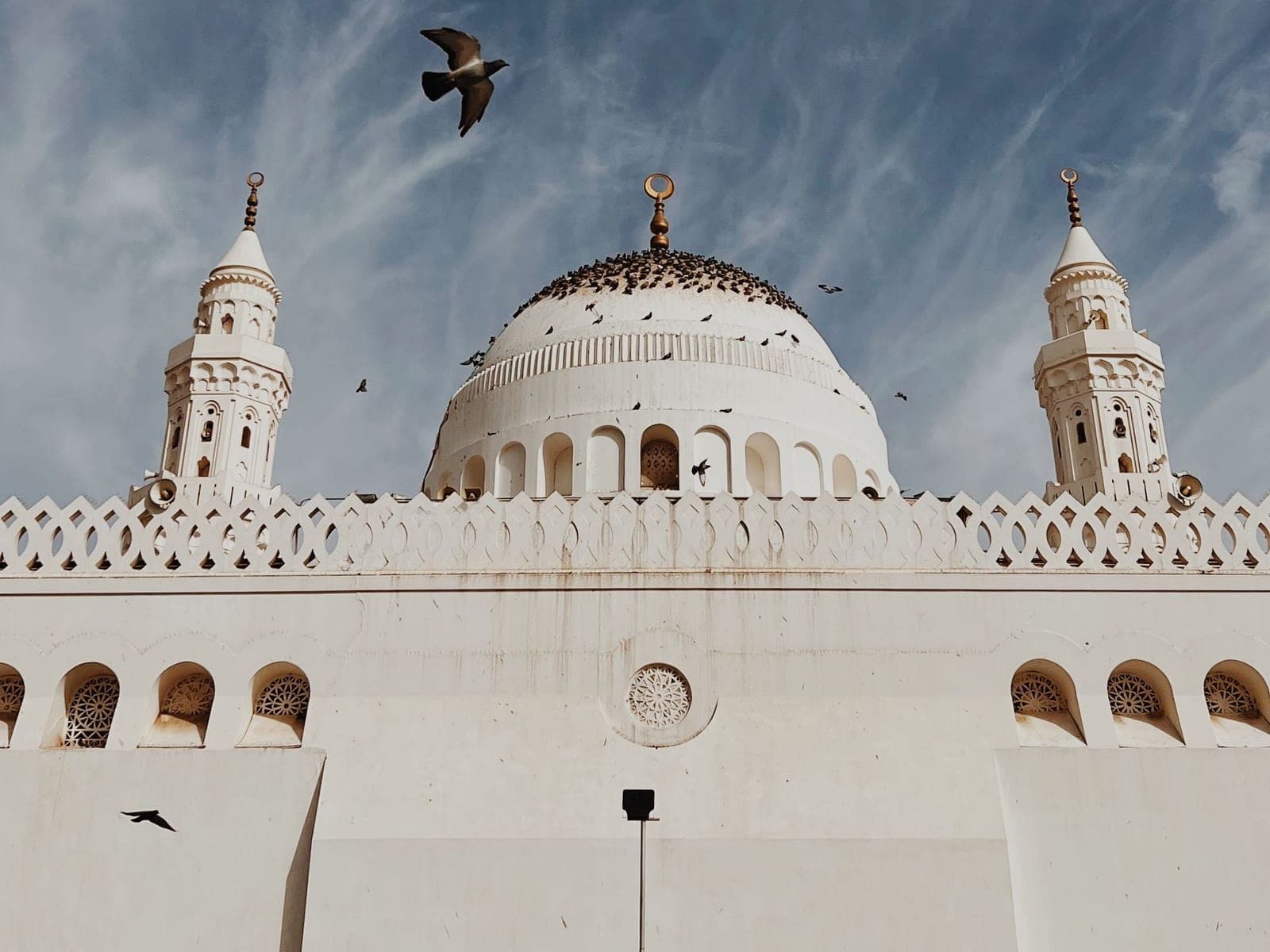
Masjid al-Qiblatayn
مسجد القبلتين“The mosque of the two qiblahs.” It is associated with the change of the direction of prayer from Jerusalem to the Ka‘bah in Makkah, in the second year after the Hijrah. (Qur’an 2:144)
What to do there
If you are there at a prayer time, or wish to, pray two rak‘ahs to greet the mosque as in any mosque. No special reward is reported for praying here.
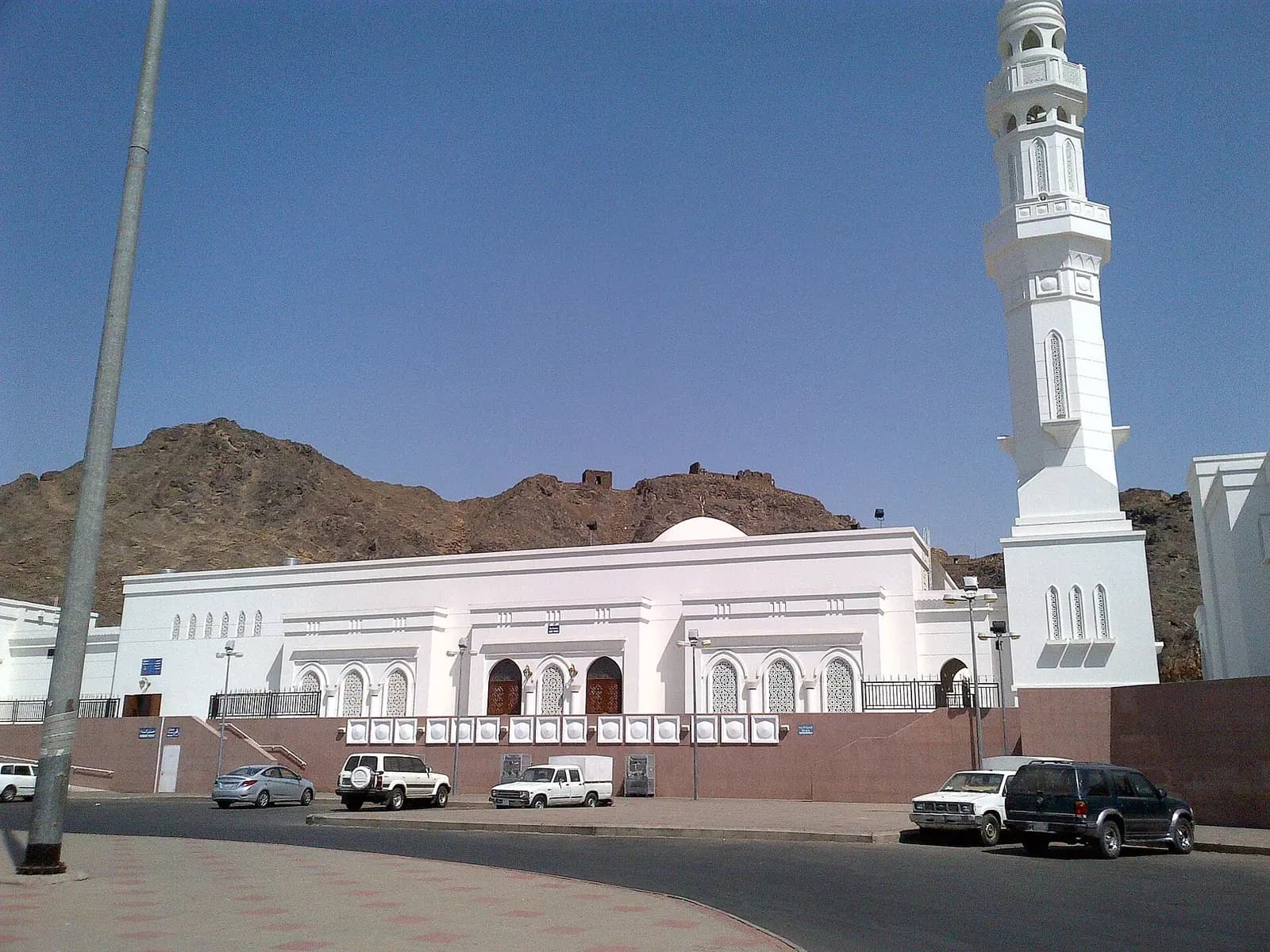
Photo: Imam Khairul Annas, CC BY-SA 3.0, via Wikimedia Commons
The Trench and the Seven Mosques
الخندق والمساجد السبعةThe area where the Muslims dug a trench to defend Madinah in the fifth year after the Hijrah, in the Battle of the Trench (al-Ahzab). The small mosques built there later mark where the Muslim positions are said to have been.
What to do there
Visit to learn the history. There is no particular prayer or dua for this place, and no need to pray in each of the small mosques.
Common mistakes
- Believing the visit to Madinah is part of Umrah or Hajj, or that either is incomplete without it.
- Believing you must complete forty prayers in the mosque. Many scholars consider the report about this weak; pray there as much as you are able.
- Touching or kissing the walls, doors and grilles, or tying threads and leaving notes.
- Making dua to the Prophet ﷺ or to the people of the graves, rather than to Allah.
- Taking soil, stones or dates from particular places for blessing.
- Spending the visit photographing and filming, and raising the voice in the mosque.
Where the schools differ
- Whether the journey should be made with the intention of visiting the mosque, or may be made with the intention of visiting the Prophet's grave itself. To be safe from the disagreement, intend the mosque; you will greet the Prophet ﷺ when you arrive.
- Whether women may visit graves, including al-Baqi‘ and the martyrs of Uhud.
- Whether to face the grave or the qiblah when making dua after the greeting.
Practical notes
- The mosque is open day and night, but the Rawdah and the visiting area have set hours and are closed during cleaning.
- Fridays and the hours after each prayer are the most crowded. The quietest times are usually late at night and mid-morning.
- Women have their own prayer halls and their own gates. Agree a clear meeting point outside with your family; the mosque is very large.
- Wear your Hoggaan ID and keep your hotel card with you. If you are lost, show it to the staff.
Official source
Rawdah permits and current visiting rules are published by the Saudi Ministry of Hajj and Umrah on Nusuk.
Travelling with Hoggaan
Our Umrah groups stay in both Makkah and Madinah, with a guide who speaks your language. Ask us which ziyarat are on your group's programme.